Quick Summary: K-Beauty Glass Skin Routine
- The K-beauty glass skin routine is a 7-step layering method that builds luminous, dewy skin using lightweight hydration products under minimal makeup.
- The steps are: essence, moisturizer, SPF, skin tint, cream blush, targeted highlight, and dewy setting spray.
- Every layer is applied with a patting motion, not rubbing, to prevent pilling and keep formula layers intact.
- The full routine is achievable with drugstore products for under $100 total.
- It works on all skin types with formula adjustments. Oily skin needs water-based formulas; dry skin benefits most from the layered hydration approach.
- If you haven’t tested a product across skin tones, state that gap. Don’t claim universal applicability without swatch documentation.
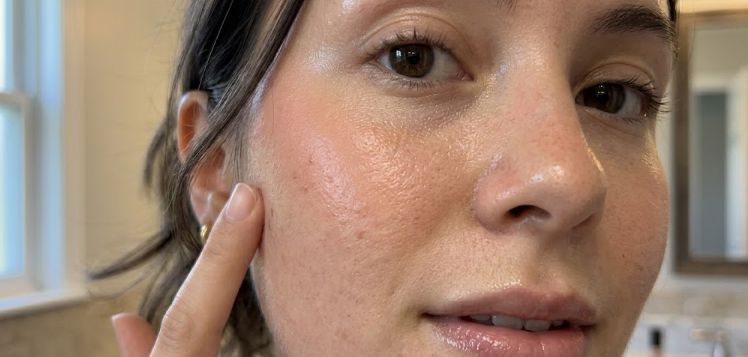
This guide is a glass skin makeup step by step breakdown of the K-beauty glass skin routine, with drugstore swaps for every stage and a total cost under $100.
If you’ve been watching K-beauty content and wondering how those people get skin that looks wet without looking oily, you’re asking the right question. The K-beauty glass skin routine isn’t a filter trick. It’s a sequenced method, and most of it is available at Target or Amazon for under $25 a product.
You’ll know what to buy, what order to apply it, and why the patting motion matters more than the product brand.
Heads up: This article contains affiliate links. I may earn a small commission if you purchase through them, at no extra cost to you.
What Is the K-Beauty Glass Skin Routine?
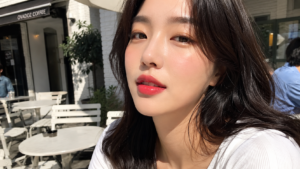
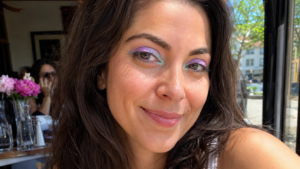
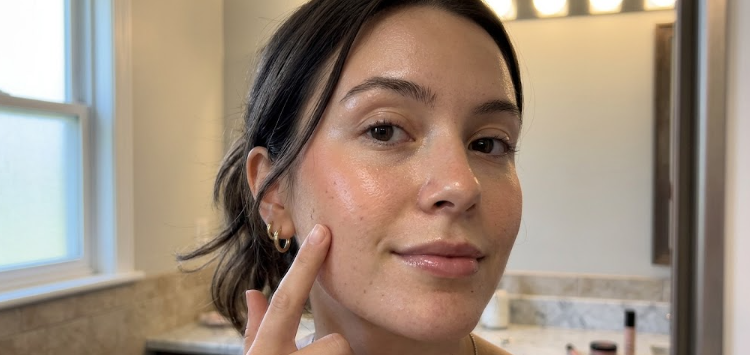
Glass skin is a Korean beauty standard that describes skin so hydrated and even-toned that it reflects light the way glass does. It came out of the K-beauty skincare world, where layering lightweight hydration is treated as a daily practice rather than a special occasion prep step.
The look has two components that tutorials often collapse into one: the skincare prep that creates the base condition, and the makeup application that amplifies it. You need both. Skipping the prep and going straight to a dewy skin tint will give you a greasy finish, not a glass one.
In 2026, the K-beauty glass skin routine has crossed into mainstream Western beauty search behavior. K-beauty brands like COSRX, Some By Mi, and Beauty of Joseon are now on CVS and Target shelves, which means the access barrier that once made this routine feel niche is mostly gone.
What You Need Before You Start
The K-beauty glass skin routine works on all skin tones and most skin types. A few notes before you shop.
Oily skin: You’ll want water-based formulas throughout. A dewy finish is achievable on oily skin when the hydration source is lightweight.
Dry skin: This routine was built for you. Layer generously at the essence and moisturizer stages.
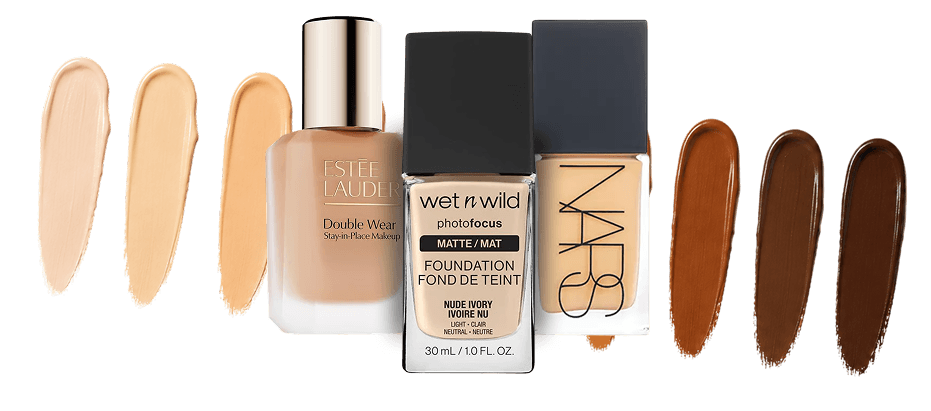
Skin tone note: The product recommendations in this guide have been tested on fair through medium skin tones. If you have deep or very deep skin, the luminosity payoff from skin tints can vary by formula. The e.l.f. Halo Glow Liquid Filter shades 7 and 8 have been widely reported to work well on deeper skin, but check swatch documentation before purchasing.
If you’ve been searching for how to get glass skin for beginners, this is the right starting point. The K-beauty glass skin routine doesn’t require imported products or a 10-step shelf of serums.
The 7-Step K-Beauty Glass Skin Routine
Step 1: Apply an Essence First
This is the step most Western tutorials skip, and it’s the reason their glass skin attempts fall flat by noon.
In the K-beauty glass skin routine, essence comes before moisturizer. It’s a lightweight, watery liquid that delivers hydration directly into the skin before heavier products go on top. You pat it in, you don’t rub it. Rubbing disrupts the absorption and drags at skin that’s about to receive more layers.
Pour a small amount into your palms, press both hands against your face, and hold for three seconds. Repeat twice.
The COSRX Advanced Snail 96 Mucin Power Essence ($25, Amazon) is the most accessible entry point for this step. It’s an Amazon Best Seller in K-beauty and it’s now stocked at some CVS locations. The formula absorbs quickly and doesn’t pill under makeup, which is the main compatibility concern at this stage.
[AAWP Block: COSRX Advanced Snail 96 Mucin Power Essence] I’d start here if you’re building a K-beauty routine for the first time. It’s the product that most consistently delivers the plumped, bouncy skin texture this routine depends on.
Step 2: Seal With a Lightweight Moisturizer
The moisturizer in a K-beauty glass skin routine is doing a specific job: it locks the essence hydration in place and creates the smooth, slightly tacky surface that dewy base products grip onto.
You want a gel-cream or water-cream formula here. Heavy occlusives like thick butters or balms will create slip between your moisturizer and your skin tint, which causes pilling or breakdown within two hours. Check the first five ingredients on your moisturizer. If a silicone like dimethicone or cyclopentasiloxane appears in the top three and you’re planning to layer a water-based skin tint on top, you’ll get separation.
For drugstore: the Neutrogena Hydro Boost Water Gel ($20, Target) is a water-based gel-cream that layers cleanly under water-based base products. It absorbs in under a minute and leaves a smooth, slightly dewy finish that doesn’t interfere with what comes next.
Apply with fingertips using a pressing motion across the full face. Give it 60 seconds before moving to the next step.
[AAWP Block: Neutrogena Hydro Boost Water Gel] This is the moisturizer I’d pick for this specific routine because its water-gel base stays compatible with skin tints. A lot of heavier moisturizers look good on their own but cause pilling when you layer over them.
Step 3: Apply SPF (This Step Isn’t Optional)
The K-beauty glass skin routine is SPF-first by design. Western glass skin tutorials frequently leave this out, and that omission causes real skin damage over time. UV exposure breaks down the collagen and even skin tone that the glass skin look depends on. If you’re building a dewy, luminous base every morning and skipping SPF, you’re working against the result.
In K-beauty, SPF is worn under makeup as a standalone layer, not mixed into a moisturizer or tinted product. The reason is coverage: a product doing two jobs at once rarely does either one well at the concentrations needed.
The Beauty of Joseon Relief Sun SPF 50+ ($15, Amazon) is now available at Target and has become a drugstore-accessible staple for this routine. It sits flat under makeup without casting, which is the main failure mode of Western SPF formulas on this skin type.
Apply a full quarter-teaspoon to the face and neck. Pat gently, don’t rub. Let it set for 30 seconds before the next layer.
[AAWP Block: Beauty of Joseon Relief Sun SPF 50+] This is the SPF I’d recommend specifically for the K-beauty glass skin routine because it doesn’t interfere with the dewy base you’re building. Most Western SPFs leave a white cast or a matte film that dulls everything you just did in Steps 1 and 2.
Step 4: Build Coverage With a Skin Tint, Not a Foundation
Full-coverage foundation cancels the glass skin effect. The goal is a barely-there layer of color correction that lets your prepped skin show through rather than covering it.
Skin tints and tinted moisturizers are the correct product category here. They add evenness without opacity, which means the hydration and luminosity from your prep work is still visible underneath.
The e.l.f. Halo Glow Liquid Filter ($14, Target and Amazon) is the most widely verified drugstore option for this step. It functions as a skin tint and liquid highlighter combined, which means it adds both coverage and a lit-from-within glow in one step. Apply with a damp sponge using a pressing motion across the center of the face first, then blend outward. You don’t need full coverage at the hairline or jaw.
For deeper skin tones, shades 7 and 8 in the Halo Glow range have the most consistent luminosity payoff reported across community swatch threads.
[AAWP Block: e.l.f. Halo Glow Liquid Filter] The Halo Glow is doing double duty here as both coverage and glow, which simplifies the routine for beginners. It’s the product I’d reach for first if you’re doing this routine without an existing highlighter.
Step 5: Apply Cream Blush High on the Cheek
Blush placement in the K-beauty glass skin routine sits higher than the Western standard. Instead of applying to the apple of the cheek, press cream blush onto the top of the cheekbone and blend upward toward the temple. This placement reads as a flush of warmth rather than a defined cheek color, which keeps the glass skin effect intact.
Cream formula only at this stage. Powder blush applied over a dewy base disrupts the texture and produces a patchy result. Cream blends into the dewy skin tint you just applied rather than sitting on top of it.
The e.l.f. Putty Blush ($10, Target) blends cleanly over the Halo Glow and comes in shades that work across fair through deep skin tones.
Apply with one finger, pressing the color into the top of the cheekbone. Blend upward with the same finger using small circular motions. Less is correct here. You can build, but you can’t take it back without restarting.
[AAWP Block: e.l.f. Putty Blush] Apply less than you think you need. Cream blush on a dewy base intensifies as it sets, and a heavy hand at this step will overpower the glass skin effect.
Step 6: Add Glow at the High Points
This step is targeted, not all-over. The K-beauty glass skin routine places luminosity at the specific anatomical high points where light naturally catches: the top of the cheekbones, the center of the nose bridge, and the cupid’s bow.
Liquid or balm highlighters are the correct formula here. Powder formulas at this stage introduce a dry, particulate texture that breaks the wet-glass illusion.
If you’ve applied the e.l.f. Halo Glow skin tint from Step 4, your cheekbones likely already have enough glow. Add a single press of a balm highlighter to the nose bridge and cupid’s bow only, using one fingertip.
The Wet n Wild MegaGlo Highlighting Powder in Precious Petals ($5, drugstore) works as a liquid alternative when paired with a damp finger press rather than a brush application. Applying it with a brush introduces the powder-texture problem. A damp fingertip presses it into the skin and activates the luminosity without the dry finish.
[AAWP Block: Wet n Wild MegaGlo Highlighting Powder] Press, don’t swipe. The difference between glass skin and a flat shimmer finish is almost always application method, not product.
Step 7: Finish With a Glossy Lip and a Dewy Setting Spray
The lip finish in the K-beauty glass skin routine is glossy and hydrated. A matte lip pulls against everything you’ve built. Tinted lip oils or clear gloss over a sheer lipstick are the right call.
Setting spray is the final step. Use a dewy or hydrating formula, not a matte one. Hold the bottle 8 to 10 inches from the face and mist in an X then T pattern across the face. This seals the layers without flattening the luminosity.
The NYX Bare With Me Hydrating Jelly Primer Spray doubles as a setting spray and adds a final layer of hydration. At $10 at Target, it’s the most budget-friendly finishing step in this routine.
[AAWP Block: NYX Bare With Me Hydrating Jelly Primer Spray] Two pumps at the end of the routine is enough. Over-misting at this stage can disturb the cream blush placement from Step 5.
The 3 Mistakes That Kill a Glass Skin Finish
Whether you’re learning how to get glass skin for beginners or refining a routine you’ve been doing for months, the same three mistakes keep showing up.
Rubbing instead of patting. Every step in the K-beauty glass skin routine uses a pressing or patting motion. Rubbing pulls layers apart and drags the skin, which creates pilling between formula layers. The patting technique isn’t a preference. It’s the reason the layering works.
Buying too many steps at once. A full K-beauty routine can run 9 or 10 steps, and that’s after years of building the practice. Start with essence, moisturizer, and skin tint. Those three steps will produce a visible difference. Add layers once you’ve seen what the base delivers.
Skipping SPF. The even skin tone and luminosity that makes glass skin legible is a long-term skin health outcome. A daily SPF 50 is the maintenance that protects the base you’re building. Without it, UV damage accumulates and the glass skin effect becomes harder to achieve over time, not easier.
The Full K-Beauty Glass Skin Drugstore Routine at a Glance
| Step | Product | Price | Where to Buy |
| 1. Essence | COSRX Advanced Snail 96 Mucin Power Essence | $25 | Amazon, CVS |
| 2. Moisturizer | Neutrogena Hydro Boost Water Gel | $20 | Target |
| 3. SPF | Beauty of Joseon Relief Sun SPF 50+ | $15 | Amazon, Target |
| 4. Skin Tint | e.l.f. Halo Glow Liquid Filter | $14 | Target, Amazon |
| 5. Blush | e.l.f. Putty Blush | $10 | Target |
| 6. Highlight | Wet n Wild MegaGlo Highlighting Powder | $5 | Drugstore |
| 7. Setting Spray | NYX Bare With Me Hydrating Jelly Primer Spray | $10 | Target |
Total routine cost: under $100.
Conclusion
The K-beauty glass skin routine isn’t about buying more products. It’s about applying the right ones in the right order using the right motion. Essence before moisturizer. Moisturizer before SPF. SPF before anything with pigment. Pat every layer, don’t rub it. Start with three steps and add from there once you know what your skin responds to.
The best drugstore products for glass skin are the ones you’ll actually use consistently. A $25 essence you pat in every morning will do more for this look than a $60 serum you use twice. The routine works because the method is sound, and the method is replicable at any budget.
If your first attempt doesn’t look exactly like what you saw on TikTok, check the patting motion first, then check formula compatibility between your moisturizer and skin tint. Those two variables account for most of the results people don’t get.
FAQ
What is the K-beauty glass skin routine? The K-beauty glass skin routine is a multi-step hydration method that uses lightweight skincare layers under minimal makeup to create skin that appears smooth, dewy, and reflective. It originated in Korean beauty culture and has become a mainstream reference point for luminous skin finishes globally.
Can I do a K-beauty glass skin routine with drugstore products? Yes. The core steps, essence, moisturizer, SPF, and a skin tint, are all achievable with products available at Target, CVS, and Amazon under $25 each. The full routine listed in this article comes in under $100 total.
How is the K-beauty glass skin routine different from a regular dewy makeup look? The main difference is sequencing and formula compatibility. A standard dewy look applies a highlighter over foundation. The K-beauty glass skin routine builds luminosity from the skincare layer up, so the glow comes from hydration and prep rather than from a single product placed on top.
What skin types can do a K-beauty glass skin routine? All skin types can do this routine with formula adjustments. Oily skin should use water-based moisturizers and lightweight essence formulas. Dry skin benefits most from the layered hydration approach. Combination skin can use a gel-cream moisturizer and focus heavier layering on dry zones only.
Why do I need to pat instead of rub in the K-beauty glass skin routine? The K-beauty glass skin routine layers multiple lightweight products in sequence. Rubbing creates friction that disrupts the layers and causes pilling between formulas. Patting presses each layer into the skin and maintains the integrity of the sequence, which is what produces the final luminous result.
What are the best drugstore products for glass skin? The best drugstore products for glass skin in this routine are the COSRX Advanced Snail 96 Mucin Power Essence ($25), the e.l.f. Halo Glow Liquid Filter ($14), and the Beauty of Joseon Relief Sun SPF 50+ ($15). Those three products cover the core prep, SPF, and base steps of the K-beauty glass skin routine at under $55 combined.
Does the K-beauty glass skin routine work on deeper skin tones? The skincare steps work across all skin tones. For the makeup steps, particularly the skin tint, check shade range documentation before purchasing. The e.l.f. Halo Glow Liquid Filter shades 7 and 8 have been widely reported to perform well on deeper skin tones, but swatch verification is recommended before buying.
Do I have to use Korean beauty brands to do a K-beauty glass skin routine? No. The K-beauty glass skin routine is a method, not a brand list. Drugstore Western brands that meet the formula requirements, water-based, lightweight, and compatible layering, produce the same result. The COSRX essence and Beauty of Joseon SPF are recommended because they’re widely available at Target and Amazon now, not because the routine requires imported products.
Quick Poll
Is the K-beauty glass skin routine actually skincare disguised as makeup, or is it a legitimate makeup technique on its own?
- It’s skincare. The look lives or dies at the prep stage, not the makeup stage.
- It’s makeup. Anyone can achieve the finish with the right products even with average skin.
- It’s both and the line between them is the whole point.
- It’s neither. It’s a marketing category that packages existing techniques under a new label.
Why did you vote that way? Drop your take below.