Quick Answer: Toasty Lip Shades
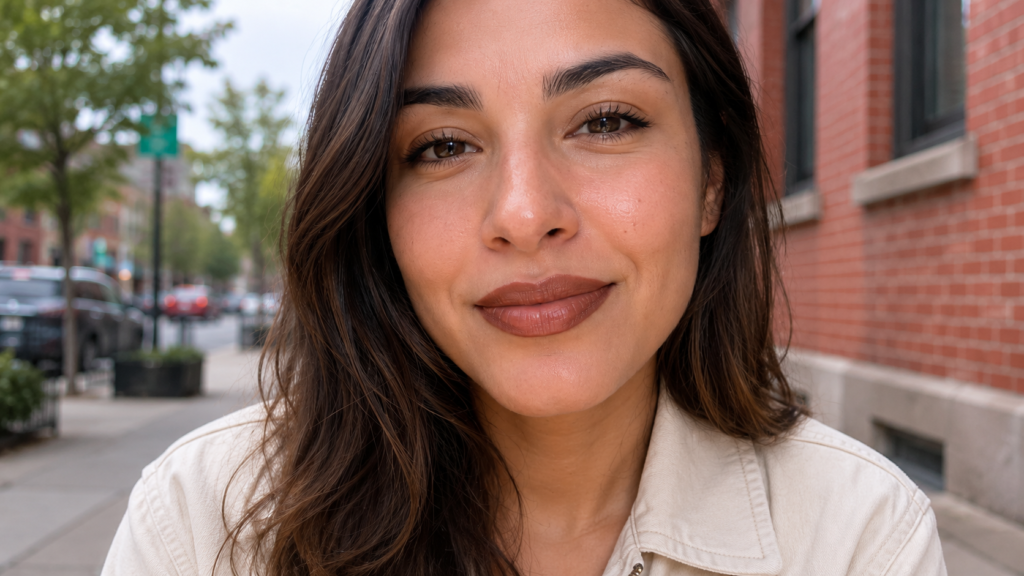
- These toasty lip shades are all warm, brown-leaning neutrals: the trend everyone’s calling the “your lips but better” color of 2026.
- Balm, tint, and lipstick each solve a different problem. You don’t need all three to try this trend.
- Dry lips should start with a balm. Low-commitment color should start with a tint. Visible payoff should start with a lipstick.
- Brown-toned lip products read as “nude” on a much wider range of skin tones than most people expect.
- Undertone match matters more than depth. A toasty shade can look perfect or slightly off depending on whether it leans warm or cool against your own coloring.
- Every pick in this toasty lip shades roundup has been chosen for wearability first, trend factor second.
This post contains affiliate links. If you buy something through our links, we may earn a commission at no extra cost to you.
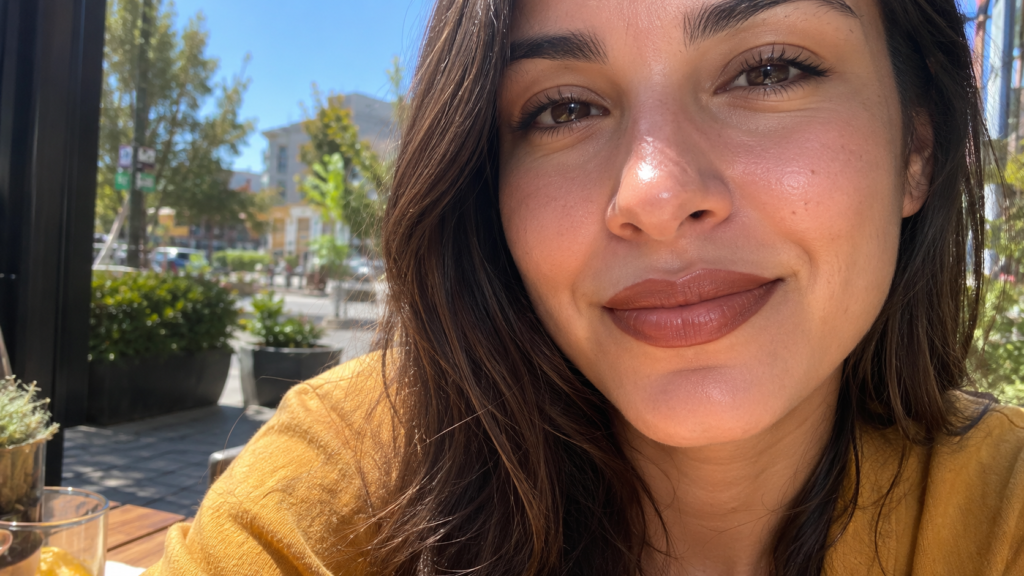
If your feed has looked a little more caramel lately, you’re not imagining it. Toasty lip shades, warm browns with a hint of pink or rose underneath, are the lip color story of 2026. It’s the same energy as your morning latte order, just on your mouth.
Here’s the thing most roundups skip: you don’t need to buy a balm, a tint, and a lipstick to participate in this. This guide walks through all three formats, but the goal is to help you pick the one that actually fits your lips, not to sell you a full toasty lip shades starter kit you didn’t ask for.
What Toasty Lip Shades Actually Are
A toasty lip shade sits somewhere between a warm nude and a soft cinnamon brown, without tipping into a full-on statement color.
- Warmer undertones finally got a neutral that didn’t wash them out
- The color worked across nearly every outfit and season without clashing
- Social feeds picked it up fast since it photographed well in any lighting
Together, those three things turned one simple lip color into this year’s biggest beauty trend.
Which Toasty Lip Format Is Right for You?
Before diving into specific toasty lip shades, it helps to know which format actually solves your problem. Balm, tint, and lipstick aren’t just different strengths of the same color. They’re built to do different jobs.
Start with a balm if: your lips are dry, chapped, or you want hydration first and color second. Balm-based toasty lip shades give you a sheer wash of warmth while doing double duty as lip care.
Start with a tint if: you want a low-commitment way to try the trend without a strong finish. Tints build gradually and look almost identical to your natural lip, just warmer.
Start with a lipstick if: you want visible, buildable color payoff and don’t mind a slightly more deliberate application. Lipstick-format toasty lip shades give you the most control over exactly how much color shows up.
You genuinely only need one of these to try this look. Pick based on what your lips actually need, not on which one is trending hardest this week.
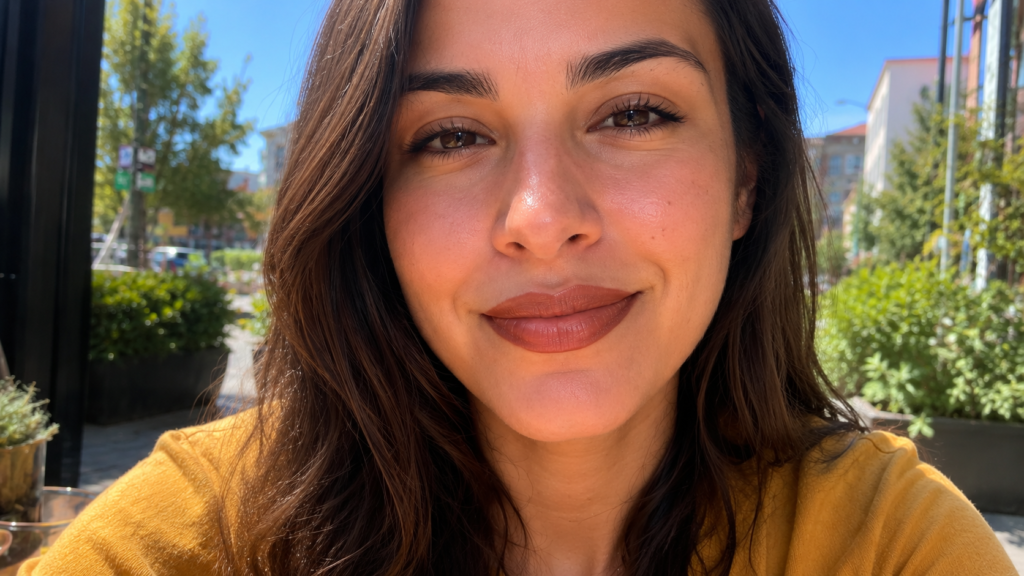
Why Toasty Lip Shades Read as “Nude” on Almost Everyone
Brown functions differently than most trend colors. Where a bold red or a bright pink is a statement, toasty lip shades tend to sit close to most people’s actual lip color, just slightly enhanced. That’s a big part of why the trend has stuck around instead of fading out after a few weeks like most viral lip colors do.
The complaint that comes up most with brown lip products isn’t really about the color itself. It’s about undertone mismatch: a brown that leans too pink, too purple, or too orange for the wearer’s own coloring. Get the undertone right, and toasty lip shades read as an obvious upgrade to your natural color. Get it wrong, and the same shade can look muddy or slightly off.
Balm Pick: Burt’s Bees Lip Tint Balm, Hibiscus
If dry lips are your starting point, this is where to begin. It’s a warm, neutral-leaning tinted balm built on shea butter, beeswax, and sunflower oil, so it’s doing hydration work while it adds a sheer wash of warmth.
One honest note: Hibiscus reads more warm-neutral than deep toasty brown, so it suits fair to light undertones best as a sheer everyday version of this trend. If you want a deeper, more visibly brown balm-level tint, treat this as your hydration base and layer a toastier tint or lipstick lightly on top.
No products found.
(As an Amazon Associate, we earn from qualifying purchases.)
Tint Pick: Rare Beauty Soft Pinch Tinted Lip Oil, Honesty
For a low-commitment way into toasty lip shades, this is a genuinely easy entry point. It’s a jelly-oil formula that shifts from a slick, glassy layer into a soft wash of “nude brown” color, buildable from one swipe to something more visible.
Since it’s an oil-based tint, it leans toward moisture over long staying power. If you want a version of these toasty lip shades that survives a full workday without a touch-up, pair it with a balm underneath rather than expecting all-day wear from the tint alone.
No products found.
(As an Amazon Associate, we earn from qualifying purchases.)
Lipstick Picks: Drugstore and Prestige
If you want the most visible color payoff of the three formats, these two toasty lip shades cover both ends of the price range.
Revlon Super Lustrous Glass Shine Lipstick, Toasting Glasses is the drugstore pick, and its name isn’t a coincidence. It’s a glossy, buildable formula that blends the ease of a lipstick with the shine of a gloss, in a warm brown-pink shade that’s become a genuine favorite across a wide range of skin tones.
No products found.
(As an Amazon Associate, we earn from qualifying purchases.)
Once you’re ready to spend a bit more, this next pick trades gloss for a soft matte finish with more depth.
Rare Beauty Lip Soufflé Matte Cream Lipstick, Brave is a whipped, air-light matte cream in a muted terracotta that reads warmer and slightly more grounded than the Revlon pick, closer to a true toasty brown with a soft blurred finish.
No products found.
(As an Amazon Associate, we earn from qualifying purchases.)
How to Wear It: A Two-Step Pairing Tip
Toasty lip shades work best kept simple. This isn’t a look that needs a full routine built around it.
Step 1: Apply From the Center Out
Whichever format you picked, start at the center of your lips and work outward with light pressure. This keeps color from building up too heavily at the edges.
Step 2: Blot, Don’t Build
Press lips together once and blot lightly with a tissue if you want a softer, more natural finish. Skip this step only if you specifically want the fuller, more pigmented version of the color.
Shade Matching Toasty Lip Shades to Your Undertone
The same brown can look completely different depending on your skin’s undertone, not just its depth. This is the step that determines whether toasty lip shades look like your best nude or slightly off.
- Fair skin: a soft, pink-leaning brown avoids reading too flat or gray.
- Light skin: both warm and slightly cooler browns work, though a rosy-brown tends to be the most universally flattering.
- Medium skin: warmer browns with a peach or beige base show up clearly without looking muddy.
- Tan skin: deeper, richer browns read more naturally than very light, sheer versions of the trend.
- Deep skin: dark chocolate, espresso, or red-brown tones show up the most vividly and avoid looking washed out.
- Very deep skin: the most richly pigmented brown shades in a line, ideally in a lipstick or dense tint formula, read the clearest and truest to color.
If a toasty shade looks flat, gray, or slightly purple the moment you swatch it, that’s an undertone mismatch, not a sign the trend doesn’t work for you.
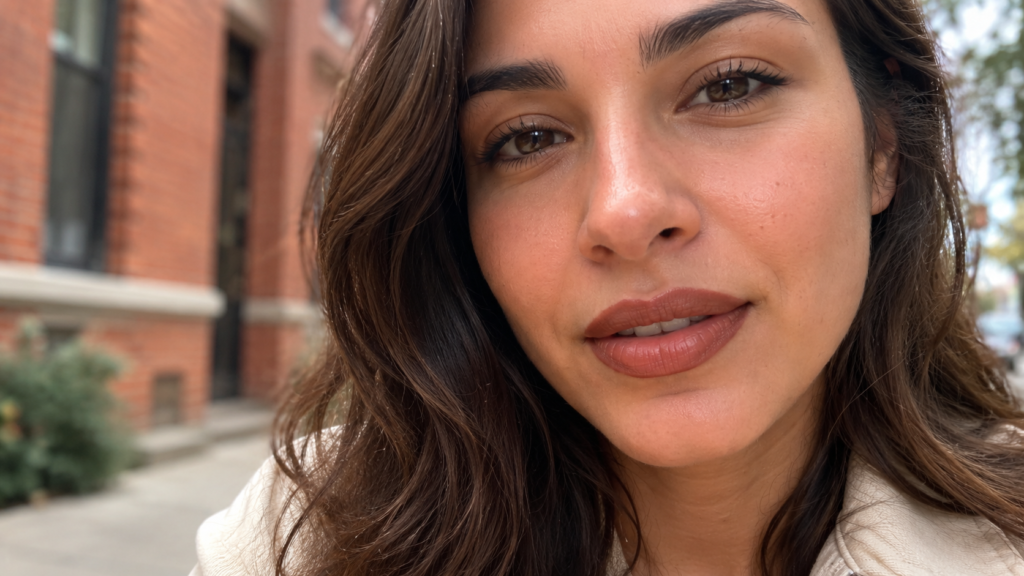
The Bottom Line on Toasty Lip Shades
You don’t need a full lip drawer to try this one. Pick the format that actually matches what your lips need right now, whether that’s a balm for dry days, a tint for something low-commitment, or a lipstick for real color payoff. Any one of these toasty lip shades gets you into the trend without the other two sitting unused in a drawer.
The undertone match matters more than the price tag. A $6 balm in the right warm-brown tone will look better on you than a $30 lipstick in the wrong one. Swatch before you commit, and let your own coloring decide the shade, not the hype around it.
Toasty lip shades aren’t going anywhere fast. Brown-based lip color has come back around for decades, and this version’s built to be worn daily, not just for a single photo. However you pick to try it, keep it simple: one product, the right undertone, and a couple of minutes in front of the mirror.
Frequently Asked Questions
Do I need a balm, tint, and lipstick to try this trend?
No. Pick one based on what your lips actually need. Dry lips call for a balm, low commitment calls for a tint, and visible payoff calls for a lipstick.
Why does my brown lipstick look muddy instead of soft?
This usually comes down to undertone mismatch rather than the shade being wrong for you entirely. Try a version that leans warmer or cooler, depending on which direction the current one is pulling.
Are toasty lip shades only for warm skin tones?
No. Both warm and cool undertones can wear brown-based lip color; the specific shade just needs to be matched to your own undertone rather than picked at random.
Which format lasts longest through the day?
Lipstick formulas generally hold up longer than oil-based tints. If you want a tint’s low-commitment feel with more staying power, layer a balm underneath first.
Can I wear toasty lip shades with a full face of makeup, or is this a no-makeup look?
Both. These shades read as natural enough for a bare-face day and neutral enough to pair with a full look without competing with the rest of your makeup.
Is this trend going to look dated by next year?
Brown-toned lip color has cycled in and out of style for decades rather than disappearing entirely, so it’s a safer investment than most single-season trend colors.
What if none of these specific shades match my undertone?
Use the shade-matching guidance above as a starting point and look for the same undertone direction within whichever brand and format you prefer. The undertone logic matters more than the specific product.
One Shade, Two Price Tags
Why did you vote that way? Drop your take below.