
Quick Answer: Cream Blush for Dry Skin
- Cream texture alone doesn’t guarantee hydration; check the first five ingredients before buying cream blush for dry skin
- Look for humectants (hyaluronic acid, glycerin) or emollient oils (jojoba, shea, argan) near the top of the ingredient list
- Alcohol-forward formulas labeled “cream” can still dry out and emphasize flaky skin
- Full moisturizer absorption before application matters as much as the formula itself
- Mild dryness tolerates more formulas than visibly flaky or compromised skin, which needs a formulation match specifically
- Shade and wear-performance testing for cream blush for dry skin isn’t equal across all skin tones, and this guide states the gaps directly

Affiliate disclosure: This page contains affiliate links. We may earn a commission at no extra cost to you.
If you’ve read that cream blush is simply better for dry skin than powder, you’ve read half the story. It’s true as a category tendency, but it’s not true of every product wearing the word “cream” on its label. Some cream blush formulas are built around hydrating ingredients that genuinely help dry skin. Others are cream-textured in feel but alcohol-forward in formula, and they’ll behave more like a drying agent than a flush of color. The difference isn’t visible on the shelf. It’s on the ingredient list, and almost nobody checks it before buying.
This guide is about choosing the right cream blush for dry skin based on what’s actually in the formula, not just the texture category it sits in. You’ll learn what to look for, what to avoid, and where skin prep fits into the picture. If you want the full step-by-step application technique, we’ve covered that separately. This piece is about picking the right formula before you ever pick up a brush.
Why “Cream” Doesn’t Automatically Mean Hydrating
The word “cream” describes texture, not formula. A cream blush for dry skin can be built around humectants that draw moisture into the skin, or it can be built around denatured alcohol that evaporates fast and leaves skin drier than before you applied it. Both products get sold under the same “cream blush” label. Both will feel similar going on. Only one of them is actually good for dry skin.
This matters more than most tutorials admit, because the entire “cream is better than powder for dry skin” advice you’ll find everywhere assumes every cream formula is created equal. It isn’t. A cream blush for dry skin needs a specific ingredient profile to do what the category is known for. Without it, you’re just applying a different texture of the same problem.
The good news is that checking this takes about ten seconds once you know what to look for. The ingredient list on the back of the product, or on the brand’s website product page if you’re buying online, tells you almost everything. Ingredients are listed by concentration, highest first, so what appears in the first five matters far more than what appears at the bottom.
The Real Debate: Does Skin Prep Fix a Bad Formula?
There’s a genuine disagreement in the beauty industry about how much of this comes down to prep versus formula, and it’s worth naming honestly instead of pretending there’s one tidy answer.
One school of thought says that excellent skin prep and a light hand make almost any cream formula work, including on dry skin. Moisturize well, let it absorb, apply sparingly, and you can make most products behave. There’s real truth here. A huge percentage of patchy cream blush application on dry skin traces back to skipped or rushed prep, not the formula itself.
The other school of thought says formula incompatibility creates failures that prep alone can’t fix. If the cream blush for dry skin you’re using is alcohol-forward at its core, no amount of moisturizer underneath will stop it from drying down chalky or catching on texture. The formula is actively working against the result you want, and prep can only do so much against that.
Both are right, depending on how dry your skin actually is. If your dryness is mild or seasonal, tightness now and then, occasional rough patches, good prep genuinely gets you most of the way there with almost any reasonably formulated cream blush for dry skin. If your skin shows visible flaking, persistent texture, or diagnosed dryness, the formula itself becomes the deciding factor. Prep helps. It does not override an incompatible formula.
The practical takeaway: do the prep either way, because it never hurts. But if you’ve already got your moisturizer routine dialed in and you’re still getting patchy, uneven results from your cream blush for dry skin, the problem probably isn’t your technique. It’s the ingredient list.
How to Check Your Cream Blush Formula
This takes less time than reading a product review, and it’s the single most useful habit for finding a cream blush for dry skin that actually performs.
Step 1: Flip the product over and find the ingredient list
Every cosmetic sold legally lists its full ingredients somewhere on the packaging or on the product’s official page if you’re shopping online. For cream blush for dry skin specifically, this list is where the real answer lives, not the marketing copy on the front of the box.
Step 2: Check the first five ingredients for a humectant or emollient
Look for hyaluronic acid, glycerin, jojoba oil, shea butter, or argan oil near the top of the list. Any of these near the front is a strong signal you’ve found genuine hydrating cream blush rather than something merely cream-textured. If the first five ingredients are dominated by alcohol denat or similar drying agents, put it back regardless of how the packaging markets it.
Step 3: Patch test on the back of your hand before committing to your whole face
Warm a small amount on the back of your hand for a few seconds and watch how it behaves. A cream blush for dry skin with a genuinely hydrating formula will blend smoothly and stay soft-looking. A formula that’s going to fight your skin will start to look chalky, cling to any dry texture on your hand, or set unevenly within the first minute.
What to Look For vs. What to Avoid
When you’re shopping for cream blush for dry skin, these are the ingredients worth seeking out, and the ones worth skipping.
Look for:
- Hyaluronic acid, which draws and holds moisture in the skin
- Glycerin, a reliable humectant found in many well-formulated cream blushes
- Jojoba oil, which closely mimics skin’s natural sebum and softens texture
- Shea butter and cocoa butter, both rich emollients that sit comfortably on dry skin
- Squalane, a lightweight oil that adds slip without feeling heavy
Avoid or use cautiously:
- Alcohol denat listed in the first five ingredients, which speeds drying and can worsen flaking
- Heavy fragrance concentrations, which can irritate already-compromised dry skin
- Talc-heavy cream-to-powder formulas, which tend to grab onto texture rather than smoothing over it
One community comment from a beauty product forum summed up the ingredient-first approach well: “I love the Josie Maran Coconut Watercolor Cheek Gelee! With great ingredients like coconut water, argan oil, and glycerin, my normally-dry skin actually looks vibrant and dewy.” That’s the humectant-and-oil combination doing exactly what it should for dry skin.
Does This Change for Mature or Flaky Skin?
Mature skin and flaky skin aren’t the same condition, and a cream blush for dry skin that works for one doesn’t automatically work for the other.
Mature skin tends to be dry from reduced oil production over time, and it usually responds well to a broad range of well-formulated cream blushes, provided the formula leans hydrating rather than alcohol-forward. Visibly flaky or texturally compromised skin is a stricter case. On flaky skin, even a decent formula can catch on rough patches and look uneven. The fix isn’t a different application technique. It’s a more deliberate prep step: a gentle, non-abrasive exfoliation the night before, followed by a rich moisturizer that’s given a full few minutes to absorb before any cream blush for dry skin goes on top.
As one beauty writer put it plainly this year: “There are cream blushes that have a drier texture which makes them better for those with oily or combination skin types, but can be a challenge to work with on mature skin.” That distinction, drier-textured cream versus genuinely hydrating cream, is exactly the formula-first thinking this guide is built around.
Shade and Wear Performance Across Skin Tones
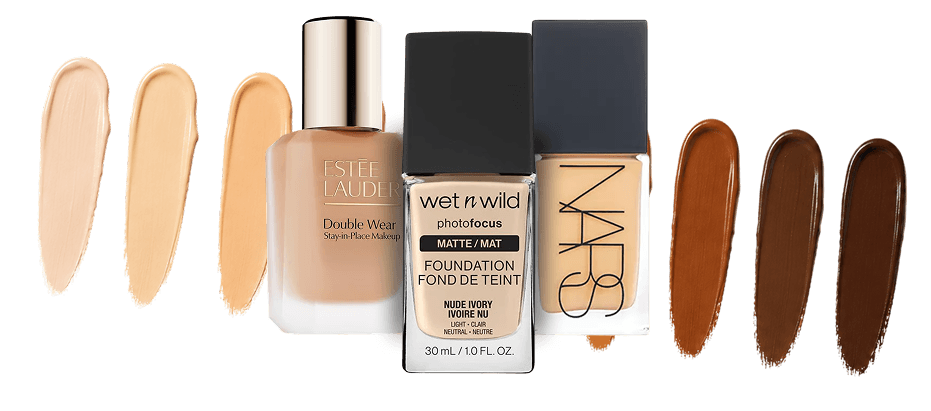
Most cream blush for dry skin content online, including ingredient breakdowns, is written and tested primarily on fair to medium skin. That’s a real gap, and it’s worth stating outright rather than pretending every product performs identically across the full tone range.
Hydrating formulas do their job (adding moisture, softening texture) regardless of skin tone. But pigment payoff and long-wear performance can behave differently on deeper skin, and not every brand has documented that difference. Where a specific product below has community-documented results on deep and very deep skin, that’s noted. Where it hasn’t been tested that far, we say so rather than assume it performs the same.
Cream Blush for Dry Skin: Product Picks by Price Point
Every pick below was chosen for its ingredient profile first, not its price point or brand name. Each one leans toward the humectant and emollient formulas this guide recommends checking for.
Drugstore ($8 to $12): If you want a genuinely hydrating cream blush without spending much to test it, Milani’s Cheek Kiss Cream Blush is formulated with pomegranate, watermelon, and rose extract and is marketed specifically as a hydrating, antioxidant formula rather than a plain cream-to-powder stick. This listing is for a specific shade (Nude Kiss), so double-check the shade selector before buying if you want a different tone.

(As an Amazon Associate, we earn from qualifying purchases.)
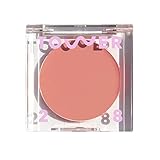
Mid-range ($20 to $28): Tower 28’s BeachPlease Cream Blush is silicone-free and built around aloe vera and green tea extract, both of which support the hydrating profile a good cream blush for dry skin needs. It also has more documented wear results across a wider range of skin tones than most products in this price tier.
(As an Amazon Associate, we earn from qualifying purchases.)
Prestige ($36 and up): RMS Beauty’s Lip2Cheek is built on buriti oil, shea butter, and cocoa butter, a genuinely emollient-forward formula that reads as one of the more deliberately hydrating options in this category. This listing is shade-specific (Demure), so check the shade range on RMS’s site if you’re after a different tone.

(As an Amazon Associate, we earn from qualifying purchases.)
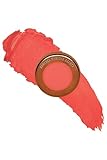
Deep and very deep skin–documented: Fenty Beauty’s Cheeks Out Freestyle Cream Blush and Danessa Myricks’ Yummy Skin Blurring Balm both have the most consistent community documentation of formula and pigment performance for deep and very deep skin tones. If you’re shopping specifically for a cream blush for dry skin with confirmed deeper-tone wear results, these two are the most reliably documented options in this roundup.

(As an Amazon Associate, we earn from qualifying purchases.)
Shade testing note: These recommendations are based on ingredient formulation and community-reported wear results, not independent lab testing by this publication. If you’re choosing a cream blush for dry skin that isn’t flagged above as documented on deeper skin tones, check recent reviews from readers with your skin tone before buying.
If You’re Not Convinced Cream Blush Is Worth It
It’s worth saying plainly that not everyone needs to switch. Some readers genuinely prefer powder blush because it’s easier to control and doesn’t require the extra ingredient-checking step this guide walks through. That’s a legitimate preference, not a gap in your routine. If your current powder blush isn’t causing problems, there’s no requirement to change formats just because cream is having a moment. The point of this guide isn’t to convince you that cream is objectively better. It’s to make sure that if you do reach for a cream blush for dry skin, you’re picking one that’s actually formulated to help rather than one that just looks the part.

Conclusion
The difference between a cream blush for dry skin that works and one that doesn’t isn’t visible from across the store. It’s in the first five ingredients on the label. Humectants and emollient oils near the top of the list mean you’ve found a formula built to hydrate. Alcohol denat in that same position means you’ve found a formula that will fight your skin regardless of how creamy it feels going on. Pair the right formula with proper moisturizer absorption beforehand, and a good cream blush for dry skin should behave the way the whole category promises: soft, buildable, and kind to texture rather than emphasizing it.
Frequently Asked Questions
Does cream blush actually help dry skin, or is that just marketing? It depends entirely on the formula. A cream blush for dry skin built around humectants like hyaluronic acid or glycerin, or emollient oils like jojoba and shea butter, genuinely helps. A cream-textured formula that’s alcohol-forward can dry skin out despite the “cream” label.
What ingredients should I avoid in a cream blush for dry skin? Watch for alcohol denat appearing in the first five ingredients. It speeds drying and can worsen flaking. Heavy fragrance concentrations are also worth avoiding if your skin is easily irritated.
Why does my cream blush look patchy even though I have dry skin, which is supposed to be ideal for cream formulas? Two likely causes: your moisturizer hasn’t fully absorbed before application, or the specific cream blush you’re using is more alcohol-forward than its texture suggests. Check both before assuming it’s a technique problem.
Is cream blush better than powder for dry skin? As a category, yes, provided the formula is genuinely hydrating. A well-formulated cream blush for dry skin will sit more naturally on texture than powder, which can settle into dry patches and emphasize them.
Can I use a hydrating cream blush if I have combination or oily-in-the-T-zone skin but dry cheeks? Yes. Apply it only where you need the hydration, typically the cheek area, and skip it on any oilier zones where a lighter formula might perform better.
How do I know if a cream blush for dry skin will work on my skin tone specifically? Check whether the brand or community reviews document performance on your skin tone range. This guide flags which picks have confirmed deep and very deep skin documentation, and states plainly where that testing gap exists for others.
Does mature skin need a different cream blush than generally dry skin? Not usually a different product, but sometimes a lighter hand and a formula that leans especially emollient. Mature skin and dry skin overlap often but aren’t identical, and visibly flaky skin needs more deliberate prep than mild seasonal dryness regardless of age.
Can I mix a regular cream blush with moisturizer if it’s not hydrating enough on its own? Yes, this is a genuinely useful workaround if you already own a cream blush that’s a bit dry-leaning. Mixing in a small amount of moisturizer on the back of your hand before application can soften the formula’s performance on dry skin.
Quick Poll
What beauty or makeup content do you want to see next on Makeup Tutorials?
- Ingredient breakdowns for other cream products (foundation, concealer, highlighter)
- More dry-skin-specific product roundups
- A deep dive into shade matching for cream products
- Beginner-friendly application tutorials
- Seasonal skin-type guides
Why did you vote that way? Drop your take below.