Quick Answer: Makeup For Compromised Skin Barrier
- Yes, you can do makeup for compromised skin barrier situations without triggering a flare, but formula selection matters more than technique right now
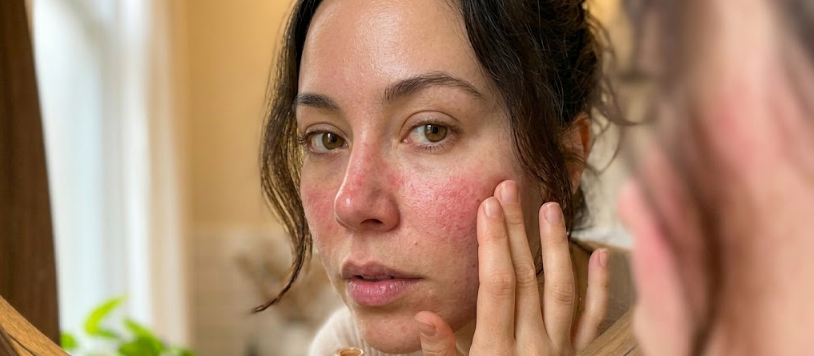
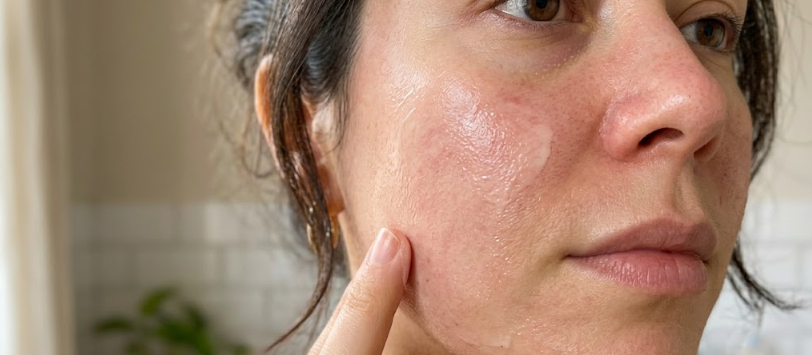
- Signs your barrier is compromised: stinging when water hits your face, makeup that burns or pills on application, redness that won’t settle, flaking that doesn’t respond to moisturizer
- The most common mistake with makeup for compromised skin barrier is using a foundation with fragrance, alcohol denat, or synthetic dyes. These reach the barrier through micro-tears even when you’ve prepped underneath
- The safest coverage format for makeup for compromised skin barrier recovery is a mineral-based or ceramide-infused skin tint with SPF. Avoid all powder products on actively flaking zones
- Barrier repair typically takes 2 to 4 weeks of stripped-down skincare. Clean-chemistry makeup for compromised skin barrier worn throughout won’t meaningfully slow that down
This post contains affiliate links. We may earn a commission if you purchase through them, at no cost to you.

Your foundation is burning. It’s that low-level prickle that starts about 30 seconds after application and doesn’t fully go away. Maybe it’s pilling on your cheekbones, product balling up within an hour in the exact zones where your skin has been flaking. Maybe the redness came back the same afternoon you thought you’d finally gotten it under control.
Here’s what’s happening: You over-actived your skin. Retinol, an AHA, a vitamin C, possibly all three in the same week, and you’ve disrupted the outermost layer of your skin, the stratum corneum. That layer is made up of skin cells held together by lipids: ceramides, fatty acids, and cholesterol. When those lipids get stripped, the structure breaks down. Doing makeup for compromised skin barrier conditions means working with tissue that can no longer defend itself against formula ingredients it would normally filter out.
The solution is understanding which products are safe for makeup for compromised skin barrier situations and which ones are actively making the breach worse. That’s what this article covers.
Signs Your Skin Barrier Is Compromised
Before you can approach makeup for compromised skin barrier conditions correctly, you need to confirm that’s actually what you’re dealing with. Your skin will tell you directly if you know what to listen for.
- Your foundation stings or burns on application. Products that never caused you any issue suddenly produce a prickling sensation within the first minute of wear. This is the clearest signal that you’re in makeup for compromised skin barrier territory: your barrier is breached enough that the formula is contacting damaged tissue.
- Skincare products that worked fine a month ago suddenly feel harsh. A moisturizer that was neutral is now causing redness. A toner you’ve used for a year is now making your skin feel worse. The products didn’t change. Your barrier did.
- Makeup pills, separates, or goes patchy within an hour. When the lipid layer is disrupted, the skin surface becomes uneven. Some zones are flaking, some are raw, some are still intact. Foundation can’t adhere evenly across that texture variation, and the result looks like application failure when it’s actually a surface failure.
- You have flaking that doesn’t respond to moisturizer. Standard dryness responds to hydration. Barrier compromise often doesn’t, because the issue isn’t water content. It’s the lipid mortar between skin cells that’s been stripped. Hyaluronic acid alone can’t compensate for depleted ceramides.
- Your skin feels tight immediately after cleansing. A healthy barrier retains moisture through the cleansing step. Immediate post-cleanse tightness means the lipid seal isn’t holding.
- You’re breaking out in unusual locations. A breached barrier lets bacteria into skin that would normally repel it. Breakouts appearing in places you don’t normally get them can signal barrier compromise rather than a standard hormonal or congestion cycle.
Can you wear makeup with a damaged skin barrier? You can, and most people with jobs or social obligations don’t have four weeks to go completely bare. Makeup for compromised skin barrier situations is entirely manageable as long as the products pass a different set of criteria than they did when your skin was healthy.
Why Regular Makeup Makes a Compromised Barrier Worse
Understanding makeup for compromised skin barrier conditions starts with understanding why your usual products are suddenly a problem. The stratum corneum, when intact, acts as a filter. Most formula ingredients sit on top of it and get removed at end of day without contacting deeper skin layers. When the barrier is compromised, that filtering function breaks down. Micro-tears in the lipid structure create access points, and ingredients your intact skin would’ve deflected are now contacting tissue that’s inflamed and reactive.
Four formula categories are the most common drivers of barrier flares in makeup for compromised skin barrier situations.
Fragrance / parfum. It’s listed as a single ingredient on labels despite being a blend of dozens of potential irritants. Fragrance is the leading cause of contact dermatitis from cosmetics, and on a compromised barrier the risk compounds because the micro-tear pathway bypasses the surface-level protection your skin would normally provide. Even products described as having a light or fresh scent contain fragrance unless the label specifically says fragrance-free.
Alcohol denat (denatured alcohol). It’s present in many foundations, setting sprays, and some primers as a texture agent. It evaporates fast and creates a smooth finish, which is why formulators use it. On an intact barrier it’s a minor concern for some skin types, but on a compromised barrier it strips the residual lipids you’re trying to rebuild and increases transepidermal water loss.
Synthetic dyes (CI numbers). Red and blue synthetic colorants are common sensitizers present in foundations, blushes, and lip products. They’re a lower-priority flag than fragrance and alcohol denat, but worth checking if you’ve eliminated the first two and you’re still experiencing irritation.
Silicone-heavy primers as a direct base layer. Silicone primers create a smooth film that improves foundation adhesion on intact skin. On compromised skin with active micro-tears, a silicone-heavy primer sitting directly against damaged tissue can trap bacteria and interfere with surface repair. Silicones aren’t categorically harmful, and this is more nuanced than the other three flags, but leading with a high-dimethicone primer against broken barrier tissue is worth reconsidering during active recovery.
The principle that governs makeup for compromised skin barrier applications: a well-prepped skin surface doesn’t neutralize a chemically incompatible formula. If your foundation contains fragrance, the ceramide moisturizer you applied underneath didn’t create a firewall. Prep and formula selection are two separate decisions, and they both need to be right.
We recommend fragrance-free, non-foaming cleansers with ceramide or glycerin bases as your first recovery step:
[AAWP — Gentle cleanser: La Roche-Posay Toleriane Hydrating Gentle Cleanser, CeraVe Hydrating Facial Cleanser]
The Prep Stack That Actually Protects Barrier Skin
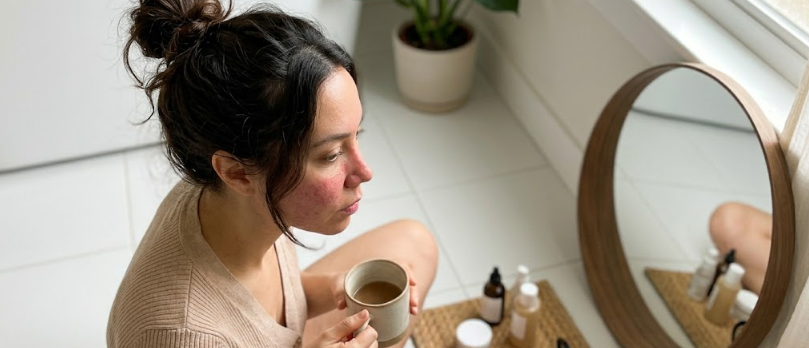
Every approach to makeup for compromised skin barrier conditions starts with prep. Standard makeup prep assumes an intact stratum corneum. When the barrier is compromised, the prep stack needs to be rebuilt from a different starting point. The goal isn’t making your skin look better under makeup. It’s creating a working surface that keeps makeup for compromised skin barrier situations from accelerating the damage.
Stage 1: Cleanse without stripping.
Use a non-foaming, sulfate-free, fragrance-free cleanser. Lukewarm water only, because hot water disrupts the lipid layer and amplifies post-cleanse tightness. Rinse thoroughly, then pat dry with a clean towel. No rubbing, no dragging across the face.
If your current cleanser produces foam, check the ingredient list for sodium lauryl sulfate (SLS) or sodium laureth sulfate (SLES). Both are surfactants that strip lipids, and on a compromised barrier they’ll set back the recovery you’re working toward.
Stage 2: Ceramide barrier lock.
Apply a ceramide-rich moisturizer while your skin is still slightly damp from cleansing, so the formula absorbs rather than sitting on the surface. In this context, the moisturizer’s job isn’t just hydration. It’s partially reconstructing the lipid architecture the stratum corneum can no longer maintain on its own. A formula combining ceramides, cholesterol, and fatty acids mimics the natural lipid mortar your barrier is currently lacking.
Give it 60 to 90 seconds to absorb before moving to Stage 3.
Stage 3: Partial occlusive seal on compromised zones only.
On your most reactive areas, the zones that sting, flake, or look most inflamed, apply a thin layer of a petrolatum-based product or a squalane-rich cream. Just the patches, not your whole face. This layer creates a physical film between damaged tissue and any makeup formula sitting above it, reducing direct formula-to-tissue contact where you’re most vulnerable. A barely-there layer is enough.
Wait 2 to 3 minutes after Stage 3 before applying any makeup so the occlusive layer can set properly.
For more on building a prep routine that works under makeup, see our guide to skin prep for makeup.
We recommend ceramide moisturizers that work as both barrier repair and makeup prep base:
[AAWP — Ceramide moisturizer: CeraVe Moisturizing Cream, Dr. Jart+ Cicapair Tiger Grass Calming Moisturizer, La Roche-Posay Cicaplast Baume B5+]
Best Makeup Products for Barrier-Repair Skin
Choosing the right products for makeup for compromised skin barrier situations means understanding formula type before reaching for a brand name. Once you know which formulas are safe and why, you can evaluate any product on your own.
Foundation and Coverage
The right foundation is central to any approach to makeup for compromised skin barrier recovery.
What’s safe: Skin tints with SPF, ceramide-infused tinted moisturizers, and mineral foundations in liquid form. These have lower film weight than full-coverage foundations, which means less formula-to-skin contact and less risk of the product pressing into flaking zones and making texture damage more visible.
What to avoid during active barrier compromise: Full-coverage liquid foundations with fragrance or alcohol denat in the first half of the ingredient list. Matte foundations with a high silicone load as your first layer. Powder foundations and powder products of any kind on actively flaking zones, because powder settles into disrupted texture and reads cakey rather than smooth.
Application: Use your fingers on compromised zones, with a damp sponge as an acceptable second option. Brushes create friction against micro-tear tissue that will increase irritation. Tap and press the product in rather than buffing or using any circular motion that drags across the skin.
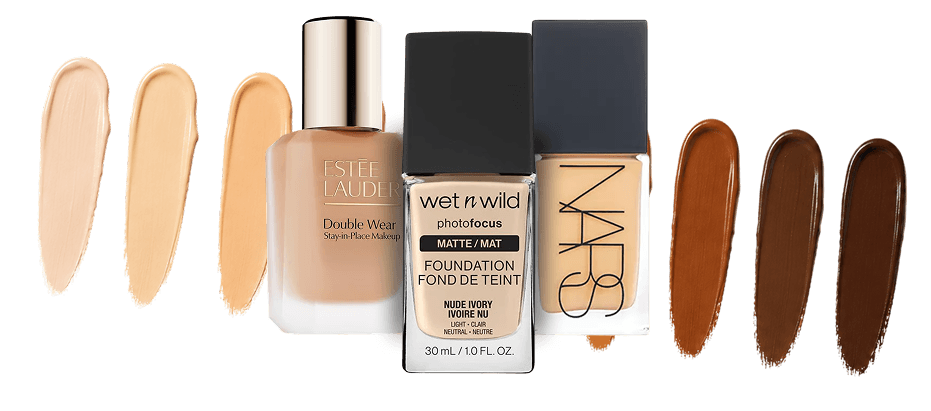
A note on shade range: skin tints and tinted SPFs have historically been the weakest category for depth and undertone variety. Readers with tan, deep, or very deep skin tones may find that available skin tint options don’t match their complexion or sit neutrally. In that case, a ceramide-infused liquid foundation in your correct shade, fragrance-free and checked against all four ingredient flags, is a fully valid alternative. Shade gaps in this category are real, and we’d rather you use a formula that actually matches your skin than reach for a “safer” product that looks wrong. Specific shades and coverage breadth are noted in the recommendations below.
[AAWP — Skin tint / tinted SPF: Tower 28 SunnyDays Tinted SPF 30 (fragrance-free, 30 shades), Ilia Super Serum Skin Tint SPF 40 (fragrance-free, 40+ shades), Saie Slip Tint Dewy Tinted Moisturizer SPF 35]
Concealer
Concealer for makeup for compromised skin barrier use follows the same formula logic as foundation.
What’s safe: Cream or serum concealers formulated with ceramides or centella asiatica. These sit on top of compromised skin without requiring the adhesion grip that long-wear formulas need to stay put.
What to avoid: Long-wear concealers with alcohol denat in the first 10 ingredients. Full-coverage concealers applied with dragging pressure on actively flaking zones, where the product cakes into disrupted texture rather than covering it.
Application: Use your ring finger. It applies the least pressure of any finger, which matters here. Tap the product in, and if you need more coverage, tap again in the same spot rather than dragging.
[AAWP — Gentle concealer: Tower 28 BeachPlease Luminous Tinted Balm, Cetaphil Redness Relieving Night Moisturizer (tinted option for redness-specific coverage)]
Blush and Color
Color products are often overlooked when people think about makeup for compromised skin barrier conditions, but the formula rules apply here too.
What’s safe: Cream or liquid blush applied with a fingertip. The warmth of your finger softens the product slightly before it contacts skin, which reduces the mechanical pressure needed to blend.
What to avoid: Powder blush on any zone with active flaking or redness. Products with glitter or high-shimmer particulates, which can introduce micro-friction irritation against breached skin even when they’re otherwise fragrance-free.
Application: Touch your index fingertip to the product, press once to the high point of your cheekbone, then blend upward toward the temple with a single feathering motion. Over-blending cream formula on sensitized skin tends to increase redness rather than distribute color evenly.
[AAWP — Cream or liquid blush: Rare Beauty Soft Pinch Liquid Blush (fragrance-free), Merit Flush Balm Cream Blush]
Setting and Finishing
The final step in makeup for compromised skin barrier application should never involve powder.
What’s safe: A hydrating facial mist over your finished base. Hold it 8 to 10 inches from your face, close your eyes, and do one pass.
What to avoid: Setting powders of any kind over actively compromised zones. Setting sprays that lead with alcohol denat, which many popular drugstore options do, so check the label. Anything marketed as long-wear or all-day hold typically achieves that through high silicone or alcohol content, which puts it in flagged territory during active recovery.
[AAWP — Hydrating facial mist: Avène Thermal Spring Water Spray, Mario Badescu Facial Spray with Aloe]
How to Apply Makeup Without Triggering Flares
These seven steps cover the full application sequence for makeup for compromised skin barrier conditions. Work through them in order. The prep stages are doing structural work that no makeup product can compensate for if they’re skipped.
Step 1: Patch test every new product on your inner wrist 24 hours before applying to your face.
This matters more for makeup for compromised skin barrier situations than at any other point in your routine.
Your skin’s reactivity is elevated right now, and a product that’s technically fragrance-free can still trigger a response through other sensitizing ingredients. Apply a small amount to your inner wrist, leave it 24 hours, and check for redness, stinging, or raised texture. If it passes, move on to a full-face application. If it doesn’t, your wrist absorbed the flare instead of your face.
Step 2: Complete the three-stage prep stack. Gentle cleanse, ceramide moisturizer, partial occlusive seal on compromised zones.
The ceramide layer is rebuilding lipid architecture. The occlusive seal on your most reactive zones is the physical film between inflamed tissue and the makeup formula sitting above it.
Skipping prep when you’re doing makeup for compromised skin barrier conditions is the single most common reason application goes wrong.
Step 3: Apply skin tint or tinted SPF in thin layers using clean fingertips. Tap and press, no dragging or buffing.
Start with less than you think you need. A small amount tapped over the center of the face and pressed outward covers more than it looks like it will.
Build a second layer only if needed, using the same method over the same zones. The goal for makeup for compromised skin barrier wear is coverage that reads like your skin tone on a better day, not a different skin entirely.
Step 4: Spot-apply ceramide concealer with your ring finger on zones that need additional coverage.
Don’t run concealer across your entire face after the tint. Identify two or three specific areas, most commonly under the eyes and any individual red patches the tint didn’t fully even out.
Ring finger, tap, move on. Gentle targeted application is what keeps makeup for compromised skin barrier wear from tipping into irritation territory.
Step 5: Apply cream blush with a fingertip to the high point of the cheekbone. One press, one upward sweep, stop.
Use less application pressure than you’d normally use. One tap, one sweep toward the temple, no circular motions.
If the color reads too sheer, tap once more in the same location rather than pressing harder or blending wider.
Step 6: Set with a hydrating mist. Hold it 8 to 10 inches from your face, close your eyes, and do one pass.
No powder. No setting spray with alcohol. The mist adds a final hydration layer over your base and gives the finished look a skin-like quality that works well for makeup for compromised skin barrier results.
One pass is enough.
Step 7: At end of day, remove with micellar water on a cotton pad. Zero friction, zero massage, nothing physical.
Removal is where a lot of makeup for compromised skin barrier recovery gets undone. Makeup remover wipes drag against micro-tear tissue. Cleansing balms require a massage motion that’s too aggressive when skin is reactive. Double cleansing with anything physical is off the table until stinging on water contact has fully resolved.
Use micellar water on a soft cotton pad. Hold it against the skin for 5 seconds before wiping, then press it gently in one direction. Follow with your Stage 1 cleanser.
How Long Does It Take for a Skin Barrier to Repair?
Recovery timelines matter for anyone navigating makeup for compromised skin barrier situations, because they set realistic expectations for how long the modified product and application rules stay in effect.
- Mild depletion covers tightness and minimal flaking with no stinging on water contact. Most people see improvement in 1 to 2 weeks of stripped-down skincare once the over-activing cycle stops.
- Moderate breach covers makeup that burns on application, visible redness, and flaking that doesn’t respond to moisturizer. This is the most common presentation for people who over-actived gradually without realizing it, and recovery typically takes 2 to 4 weeks.
- Active dermatitis or perioral dermatitis triggered by actives means inflammation that’s spreading beyond normal sensitization, papules forming around the mouth or eyes, or barrier symptoms that are worsening despite a stripped-down routine. This requires a dermatologist consultation before you reintroduce makeup for compromised skin barrier conditions. Cleaner product chemistry alone isn’t the right approach at this stage.
Will wearing makeup slow barrier repair? Only if the makeup contains the four flagged ingredient categories. Clean-chemistry makeup for compromised skin barrier situations doesn’t meaningfully delay healing. Barrier repair happens at the cellular level through the ceramide-based skincare you’re using underneath, and that process continues whether you’re wearing a skin tint over it or not.
When can you reintroduce actives? Wait until stinging on water contact has completely resolved. Then introduce one active at a time at the lowest available percentage, with at least a week between each new addition. Retinol reintroduces last, as it’s the most barrier-disruptive active in most people’s routines.
Conclusion
Formula chemistry is what governs makeup for compromised skin barrier situations, not technique. If your foundation contains fragrance or alcohol denat, it’s contacting tissue that can’t defend itself right now, and no prep stack changes that. You’ve got the four-ingredient checklist. You’ve got the three-stage prep stack.
You know which formula categories work for makeup for compromised skin barrier recovery. Your skin’s repairing itself, and that process doesn’t require you to stop wearing makeup. It just requires the right makeup.
Frequently Asked Questions
Can I wear foundation every day with a compromised skin barrier?
You can, as long as it passes the four ingredient checks: no fragrance, no alcohol denat, no synthetic dyes, and no silicone-heavy primer sitting directly against the broken barrier. Full-coverage foundations aren’t the right formula during active barrier compromise. Skin tints, ceramide tinted moisturizers, and mineral liquid foundations are better choices until stinging on water contact resolves.
What ingredients should I avoid in makeup when my skin barrier is damaged?
The four categories to check first: fragrance/parfum (a single label entry covering dozens of potential irritants), alcohol denat (denatured alcohol), synthetic dyes (listed as CI numbers), and high-silicone-load primers applied directly against broken barrier tissue. Check the ingredient list, not the marketing copy on the front of the packaging.
Is mineral makeup better for a compromised skin barrier?
Mineral foundations using zinc oxide and titanium dioxide as coverage pigments are generally among the safer options because they’re less likely to contain the four flagged categories. But “mineral makeup” isn’t a regulated claim, and some products marketed that way still contain fragrance or alcohol denat. Check the ingredient list regardless of how the product is positioned.
Will wearing makeup slow down barrier repair?
Only if it contains ingredients that actively disrupt the barrier. Clean-chemistry makeup doesn’t meaningfully delay recovery. Barrier repair happens at the cellular level through your skincare, and the ceramides you’re applying rebuild lipid architecture whether you’re wearing a skin tint over them or not.
What’s the best way to remove makeup without irritating a damaged barrier?
Micellar water on a soft cotton pad, held against the skin for 5 seconds before wiping, then pressed gently in one direction without drag. Follow with your fragrance-free, non-foaming cleanser. Makeup wipes, cleansing balm massage, and double-cleansing with any physical tool are all off the table until stinging on water contact has fully resolved.
Can tinted SPF replace foundation during barrier recovery?
Yes, and for most people it’s the better choice during this period. Current tinted SPF options include fragrance-free formulas with 30 to 40+ shade ranges and ceramide-infused bases that support barrier recovery while providing light-to-medium coverage and daily UV protection. The caveat: shade range in this category still lags behind full foundation lines, especially for deeper skin tones. If the available shades don’t work for your complexion, a fragrance-free ceramide foundation in your correct shade is a valid alternative.
The Barrier Guilt Trip
Dermatologists say you should strip your routine bare and skip makeup while your skin barrier heals. Do you actually believe that advice is realistic?
- Yes. If you won’t take a few weeks off, you’re choosing vanity over recovery
- No. Most people have jobs and lives. “Just don’t wear makeup” is privileged advice
- It’s realistic for skincare, not for makeup. The bar should be cleaner products, not no products
- Dermatologists don’t understand how much social pressure women are under to show up looking presentable
Why did you vote that way? Drop it below.